


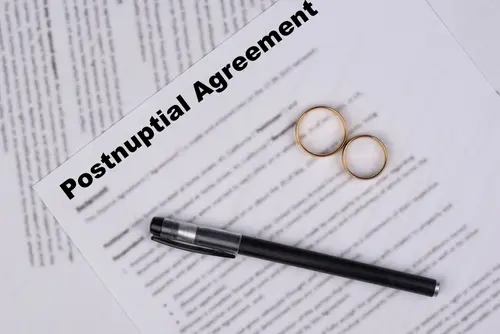
Post-nuptial agreements are valuable legal tools for couples who wish to define financial responsibilities and protect assets after marriage. In Utah, these agreements provide clarity and peace of mind, ensuring both spouses understand how property, debt, and finances will be managed in the event of divorce or death. Creating a postnup requires careful planning, transparent communication, and adherence to state laws. Below is a structured, step-by-step guide to help you understand how the process works and what you can expect.
A post-nuptial agreement functions much like a prenuptial agreement, but it is executed after marriage rather than before. Its purpose is to outline how assets, debts, income, and other financial matters will be handled. In Utah, courts will generally enforce a postnup if it is entered into voluntarily, is fair to both parties, and complies with legal requirements. Postnups can also address issues like spousal support or estate planning considerations, making them a flexible tool for financial security.
The first step in creating a postnup is fostering open, honest communication with your spouse. Both partners should be willing to discuss their financial expectations and concerns. These conversations may touch on sensitive issues, such as protecting inherited property, ensuring financial stability for children from previous relationships, or planning for business ownership. By clarifying goals together, couples build trust and create a foundation for a fair and effective agreement.
Transparency is essential when creating a legally binding agreement. Each spouse must fully disclose their financial information, including:
Accurate disclosure helps ensure the agreement is fair and enforceable. Hiding or misrepresenting financial details could invalidate the contract in court.
Every state has unique laws governing post-nuptial agreements, and Utah is no exception. For a postnup to be valid in Utah, it must meet the following criteria:
Consulting Utah-specific laws ensures the agreement complies with local legal standards, reducing the likelihood of future disputes or challenges.
Mediation is often an excellent path for couples creating a postnup. A mediator provides a neutral, supportive environment where both spouses can voice concerns and negotiate terms fairly. Unlike a litigious process, mediation emphasizes collaboration and understanding. In Utah, mediation also aligns with the state’s focus on resolving family matters outside of court when possible. With the guidance of a skilled mediator, couples can craft an agreement that protects both parties’ interests and strengthens their partnership.
Once goals are clarified and terms negotiated, the agreement should be carefully drafted. At this stage, many couples seek assistance from an attorney or mediator with legal experience to ensure the document uses precise language and addresses all necessary points. After drafting, both spouses should take time to review the agreement independently and confirm that they understand every provision. It is wise for each spouse to seek separate legal counsel during review to ensure fairness and compliance with Utah law.
After review and revisions, the agreement can be signed and finalized. To strengthen enforceability, the signing should be notarized and witnessed if possible. Once complete, it is important to store the document in a safe but accessible location. Couples may choose to keep a copy with their attorney, in a secure home safe, or in digital form with proper encryption. Safeguarding the agreement ensures it will be available if needed in the future.
A post-nuptial agreement is more than a legal document—it is a proactive step toward financial clarity and marital stability. By following a structured process of open dialogue, financial disclosure, legal compliance, and professional guidance, couples in Utah can create agreements that stand the test of time.
Secure your future with confidence. Contact Utah Divorce Mediation today to create a fair, legally sound post-nuptial agreement that protects both you and your spouse while strengthening your marriage.